Trauma & Difficult Experiences
How difficult experiences can affect your mind, body and emotions
Trauma and difficult experiences can affect us in ways that aren't always obvious. Childhood experiences, abuse, neglect, loss, relationship difficulties, accidents or prolonged periods of stress can influence how we think, feel, behave and relate to others.
Sometimes we recognise the impact. At other times, we develop patterns in our lives without knowing where they began.
You might experience:
- Anxiety, feeling constantly on edge or easily overwhelmed.
- Difficulty trusting others or feeling secure in relationships.
- Intrusive memories or reminders of difficult experiences.
- Emotional numbness or feeling disconnected from yourself.
- Sleep difficulties, racing thoughts or struggling to switch off.
- Physical tension, tightness in your chest or changes in your breathing.
- Finding it difficult to express your needs or manage emotions.
For some people, these experiences may be associated with trauma-related difficulties, including PTSD or Complex PTSD (CPTSD). However, these symptoms can have many causes and don't automatically mean someone has either condition.
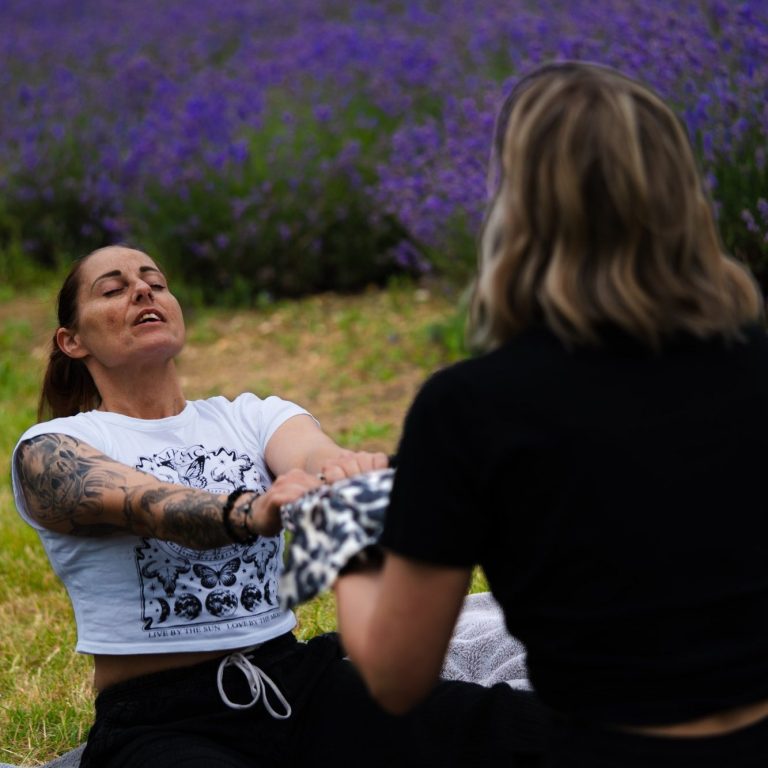
The ways we learn to cope
We all develop ways of navigating difficult experiences and relationships. Sometimes these begin early in life as ways of feeling accepted, avoiding conflict or managing situations that feel overwhelming.
You might recognise some of these patterns:
- People-pleasing: keeping everyone else happy, even when it means putting your own needs aside.
- Avoidance: steering clear of difficult conversations, conflict or situations that bring up uncomfortable feelings.
- Control: needing things to go a certain way because uncertainty feels difficult.
- Over-independence: feeling you have to manage everything yourself and finding it hard to ask for help.
- Emotional suppression: pushing feelings down, keeping busy or carrying on regardless.
- Withdrawal: distancing yourself from others or shutting down when things feel too much.
These responses may once have helped you cope. But over time, they can become patterns that affect your relationships, choices and how you feel about yourself.
The stories we carry about ourselves
Our experiences can also shape the beliefs we develop about ourselves and other people.
Perhaps some of these sound familiar:
- I have to keep everyone happy.
- My needs aren't as important.
- I can't trust anyone.
- I have to stay in control.
- I'm not good enough.
- I mustn't show how I feel.
- If I say no, people will reject me.
Sometimes these beliefs become so familiar that we stop questioning them. They can influence how we behave, the decisions we make and what we believe is possible for ourselves.
When coping becomes another struggle
Sometimes we find other ways to manage or distract ourselves from difficult feelings. This might include overworking, emotional eating, drinking, shopping, constant busyness or withdrawing from others.
These behaviours can offer temporary relief, but sometimes become patterns that are difficult to change. Understanding what might sit beneath a behaviour can help us approach it with curiosity rather than judgement.
The connection between trauma, body and breath
Difficult experiences don't just affect our thoughts and emotions; they can also influence how we experience our bodies.
You might notice shallow breathing, holding your breath, physical tension, feeling constantly alert or, at times, feeling numb or disconnected from your body.
Our physical and emotional responses can become familiar, sometimes continuing long after the original circumstances have changed.
This is why looking at the connection between our experiences, emotions, body and breath can be important. It gives us another way to notice what is happening, rather than focusing on our thoughts and behaviours alone.
"Trauma is a fact of life. It does not, however, have to be a life sentence." - Peter Levine
How breathwork and bodywork can support you
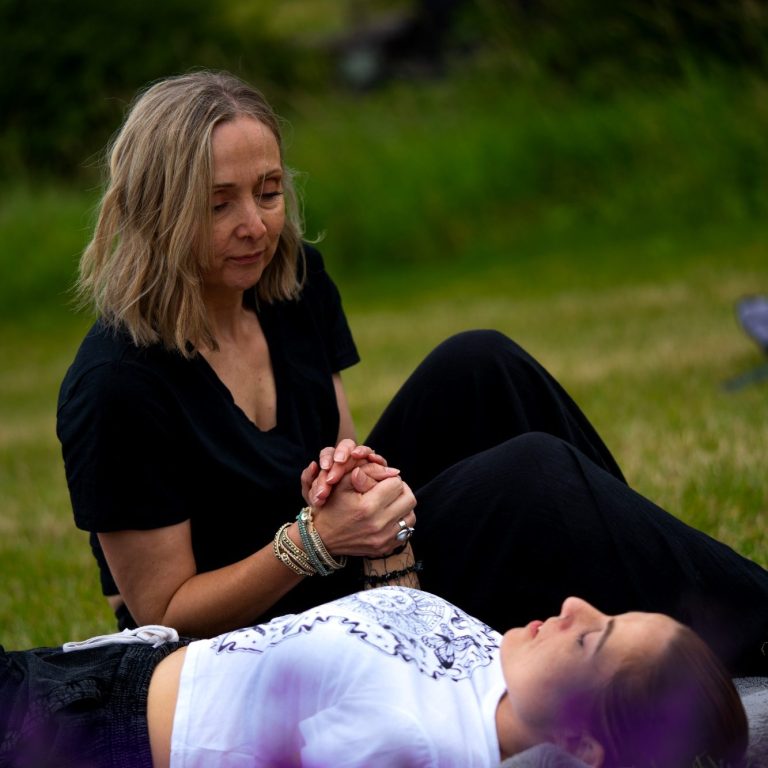
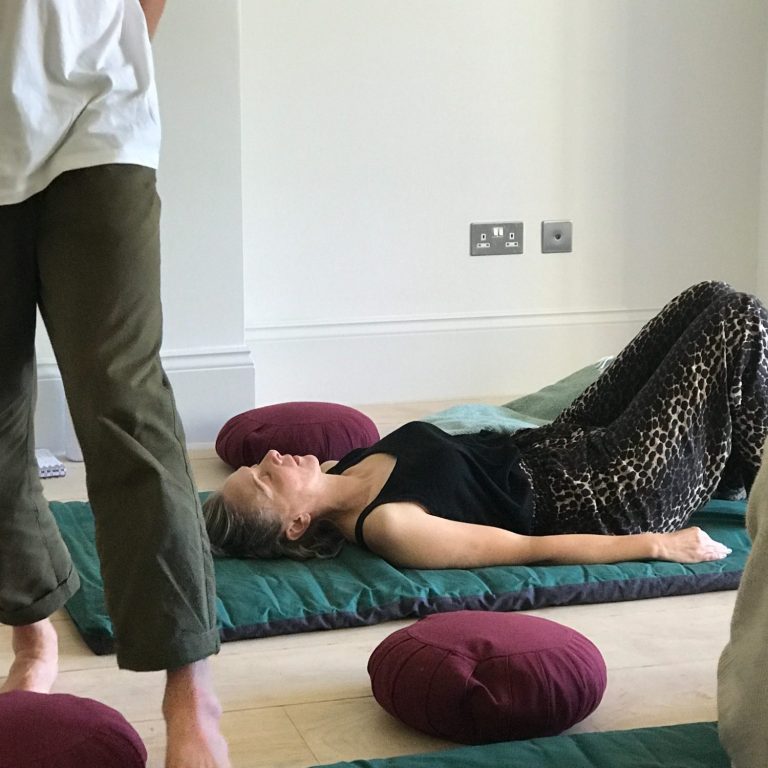
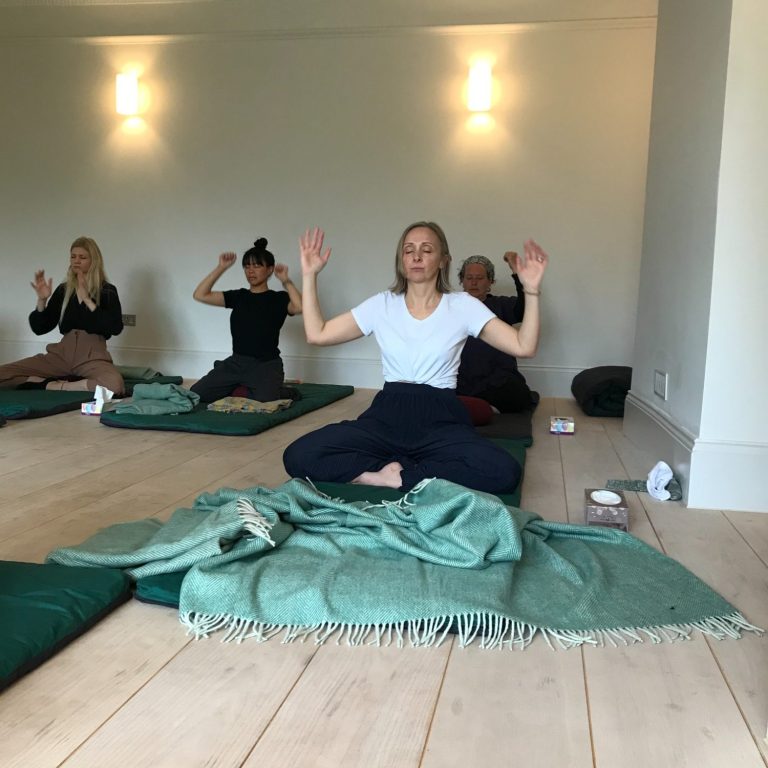
At Healing Breath, I bring together breathwork and bodywork to explore the connection between your experiences, emotions and physical responses.
Rather than focusing on changing or analysing everything that has happened, sessions can offer an opportunity to notice what is happening for you now.
Depending on your individual needs and what is appropriate, this may include:
Breath awareness and gentle breathing practices
Noticing how your breathing responds to different feelings and situations, and exploring gentle practices that may help you develop greater awareness of your breathing.
Body awareness
Paying attention to physical sensations, tension and familiar patterns of response. This can help you become more aware of how experiences may still be influencing your body.
Exploring familiar patterns
Beginning to recognise responses, beliefs and behaviours that may have developed through earlier experiences, and considering whether they still reflect what you need today.
Making space for emotional experiences
Exploring feelings that may be difficult to put into words, without pressure to revisit memories, share more than you're comfortable with or reach a particular outcome.
Where appropriate, I may also draw on Clinical Hypnotherapy or Emotional Freedom Technique (EFT), depending on what you would like support with.
The approach is individual, trauma-informed and choice-led. Some breathing practices, including conscious connected breathwork, can be activating and are not suitable for everyone. We'll discuss suitability and your preferences before deciding what to include.
This is not about forcing a release, reliving difficult experiences or trying to fix something that is wrong with you.
It's about developing awareness, recognising the ways you've learned to cope and exploring whether different responses are possible.
If you'd like to explore whether individual breathwork and bodywork support is appropriate for you, you're welcome to arrange a free 20-minute conversation.