Anxiety & Emotional Wellbeing
Anxiety can affect far more than our thoughts. It can influence how we feel emotionally, how our bodies respond and how we experience everyday life.
You might find yourself constantly worrying, anticipating what could go wrong or feeling on edge even when there's no obvious reason. Perhaps you struggle to switch off, overthink conversations, avoid certain situations or find that everyday demands feel more difficult than they once did.
For some people, anxiety comes in waves. For others, it can feel like a constant background presence, influencing decisions, relationships, confidence and the ability to enjoy life.
Whatever anxiety looks like for you, it can be exhausting.
A Choice Led Approach
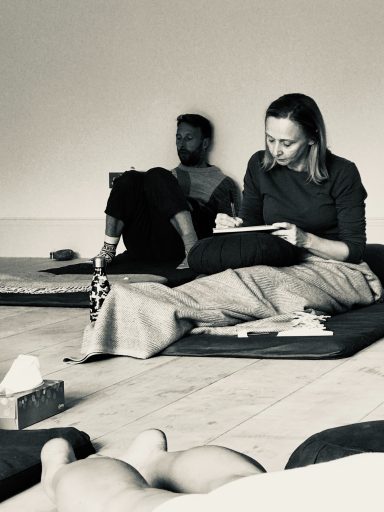
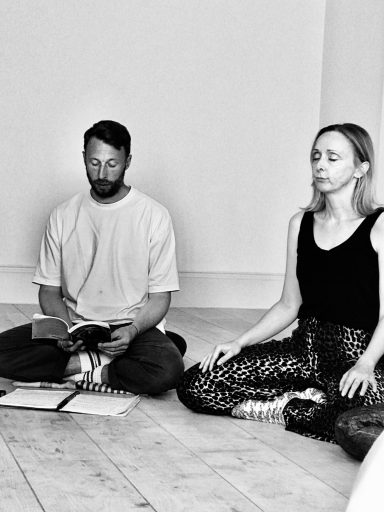
My approach is trauma-informed and choice-led. I won't ask you to push through uncomfortable sensations, use a particular breathing technique or share anything you're not ready to talk about.
Some breathing practices, including conscious connected breathwork, can be more activating and aren't suitable for everyone. We'll discuss what is appropriate for you before considering these approaches.
There is no expectation that you need to arrive knowing exactly what you need or what you want to change.
We can start with what's happening for you now.
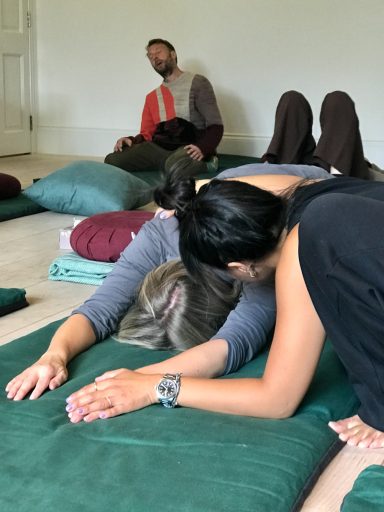
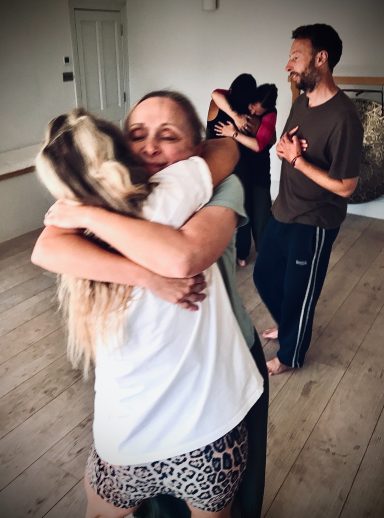
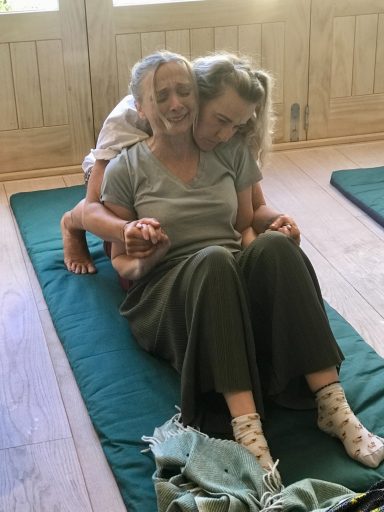
If anxiety is affecting your everyday life, you don't have to wait until things feel unbearable before seeking support.
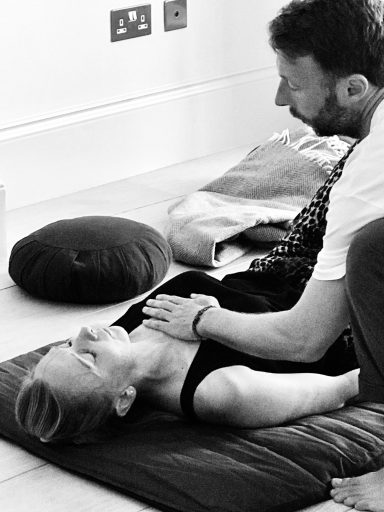
Individual sessions offer an opportunity to explore what's happening for you and consider how breathwork, bodywork and other approaches may fit your needs.
If you'd like to find out more, you're welcome to arrange a free 20-minute conversation.
How anxiety can show up in your body
When we experience anxiety, our body responds as though something needs our attention. This is part of our natural threat-response system, designed to help us respond to situations we perceive as challenging or threatening.
You might notice:
- Tightness in your chest or a feeling of breathlessness.
- A racing heart or butterflies in your stomach.
- Tension in your shoulders, jaw or neck.
- Restlessness or difficulty sitting still.
- Feeling on edge, overwhelmed or easily startled.
- Difficulty sleeping or switching off.
- Changes in your breathing, including shallow or rapid breaths.
- Feeling disconnected, withdrawn or mentally exhausted.
Sometimes these physical responses can become so familiar that we stop noticing them until they begin to affect our everyday lives.
It's also worth remembering that physical symptoms can have other causes, so new, persistent or concerning symptoms should be discussed with your GP.
The connection between anxiety, emotions and breathing
Our breathing is closely connected to our emotional and physical responses.
When we feel anxious, our breathing may become quicker, shallower or more restricted. We might hold our breath, sigh frequently or feel as though we can't get a satisfying breath.
These changes can be part of the body's response to perceived threat. Sometimes, becoming very focused on our breathing or physical sensations can also increase our worry, creating a cycle that feels difficult to step out of.
Learning to notice these responses without immediately judging or fighting them can be a useful starting point.
Rather than trying to force yourself to relax or make uncomfortable feelings disappear, developing awareness can help you recognise what's happening and explore different ways of responding.
How breathwork and bodywork can support you
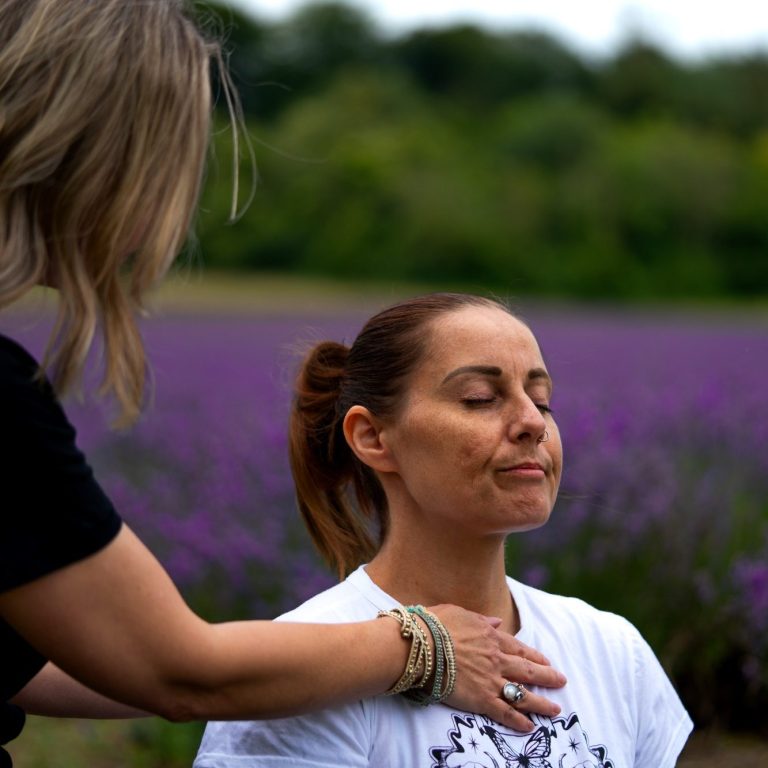
At Healing Breath, I bring together breathwork and bodywork to help you explore the relationship between your emotions, physical experiences and breathing.
Depending on your needs, sessions may include:
Gentle breathing practices
Exploring your natural breathing patterns and trying simple, appropriate breathing practices that may help you develop greater awareness and find ways to respond when anxiety arises.
Body awareness and bodywork
Noticing where you experience tension, discomfort or physical signs of anxiety, and exploring these sensations through gentle, guided practices.
Emotional awareness
Making space to notice and explore the feelings that accompany anxiety, without pressure to explain everything or revisit experiences you're not ready to approach.
Additional approaches
Where appropriate, Clinical Hypnotherapy or Emotional Freedom Technique (EFT) may also be incorporated, depending on what you're experiencing and what you would like support with.
Every person is different, so there isn't a fixed formula. We work collaboratively, taking your preferences, circumstances and individual needs into account.